Back to School, Schoolboy Hygiene Rules: Building Healthy Habits for the New Academic Year
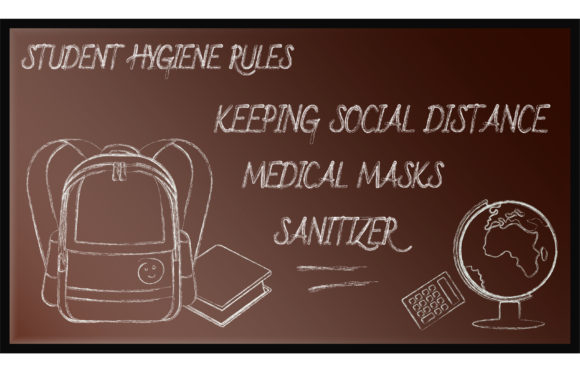
September first arrives with the familiar scent of fresh notebooks, the squeak of new sneakers on polished hallways, and the bold white strokes of chalk on a blackboard spelling out Back to School, Schoolboy Hygiene Rules. For millions of families, this date marks more than just the beginning of a new academic year—it signals a critical shift in daily routines, social dynamics, and health management. When children step through those school gates, they enter an environment where close contact, shared surfaces, and communal living can quickly turn a minor sniffle into a classroom-wide outbreak. The chalkboard reminder serves as a timeless visual cue, but the real challenge lies in transforming those written rules into lasting, everyday practices that prevent disease and infection long after the chalk dust settles.
The Classroom as a Microbial Ecosystem
Before diving into specific hygiene rules, it helps to understand the environment a schoolboy walks into each morning. Classrooms are high-touch zones: desks, door handles, pencil sharpeners, water fountains, tablet screens, and playground equipment are shared by dozens of students throughout the day. Studies consistently show that respiratory viruses, gastrointestinal pathogens, and skin infections spread rapidly in school settings, often before a single symptom appears. The first day back to school, schoolboy hygiene rules written on that blackboard are not merely decorative—they represent a first line of defense against illnesses that can disrupt learning, drain family schedules, and strain healthcare resources. A child who understands why hands must be washed after recess or why a tissue is better than a sleeve is far more likely to internalize these behaviors than one who simply follows orders.
Common Disease Vectors in Schools and Their Prevention
Respiratory infections, including colds, influenza, and more recently COVID-19 variants, spread primarily through droplets and aerosols. Hand-to-face contact—rubbing eyes, touching the nose, or biting nails—provides a direct pathway for pathogens from contaminated surfaces into the body. Gastrointestinal illnesses, such as norovirus, often spread through shared food, improperly washed hands after restroom use, or contaminated water bottles. Skin conditions, including ringworm, impetigo, and molluscum contagiosum, spread through direct contact during sports, shared towels, or borrowed clothing. The chalkboard rules, when properly reinforced, address each of these transmission routes with specific, actionable behaviors. A well-maintained routine covering hand hygiene, respiratory etiquette, personal item separation, and environmental awareness can reduce infection rates in school settings by thirty to fifty percent according to public health data. This is not theoretical—it is measurable improvement that keeps children in classrooms and parents at work.
Core Schoolboy Hygiene Rules for a Healthy School Year
Effective hygiene education does not need to be complex. Simplicity and consistency outperform elaborate protocols every time. When teachers or parents write Back to School, Schoolboy Hygiene Rules on a blackboard, the most impactful rules are those that a child can remember and execute without adult prompting. Below are foundational practices that address the most common transmission pathways, each grounded in practical behavior rather than abstract warning.
- Hand washing at five critical moments: After using the restroom, before eating, after recess or physical education, after coughing or sneezing into hands, and immediately upon arriving home. Soap and warm water for twenty seconds remains the gold standard. When sinks are unavailable, alcohol-based hand sanitizer with at least sixty percent alcohol serves as an effective backup.
- Respiratory etiquette without shaming: Coughing or sneezing into the crook of the elbow—not into hands—prevents droplet transfer to shared surfaces. Using disposable tissues and discarding them immediately reduces virus load in the immediate environment. Children should learn that this protects classmates, not just themselves.
- Personal item boundaries: Water bottles, lunch containers, hats, combs, and sports equipment should not be shared. Writing a child's name on personal belongings reinforces ownership and reduces accidental exchange. This is particularly important for items that touch the mouth or skin directly.
- Surface awareness without fear: Teaching children to avoid touching their face throughout the day, especially while in shared spaces, reduces self-inoculation. This is a skill that improves with practice and gentle reminders rather than scolding.
- Daily cleaning of high-contact personal accessories: Reusable water bottles should be washed with hot soapy water each evening. Lunch boxes need regular wiping. Backpacks, especially those placed on floors or bus seats, benefit from periodic surface cleaning with disinfectant wipes.
Student Accessories as Hygiene Allies
The modern student carries far more than textbooks. Backpacks, lunch bags, water bottles, pencil cases, tablet sleeves, and gym kits form a mobile ecosystem that can either support or undermine hygiene efforts. When considering back to school, schoolboy hygiene rules extend beyond the body to the objects a child touches daily. The selection and care of these accessories matter greatly. For instance, a water bottle with a wide mouth and removable straw is far easier to clean thoroughly than one with intricate crevices where biofilm can develop. Lunch bags with insulated, wipeable interiors resist bacterial growth better than fabric-only designs. Even the humble pencil case—often the most bacteria-laden item in a desk—benefits from being made of washable material or being periodically sanitized with a disinfectant wipe.
The advantages of treating accessories as part of the hygiene system are twofold. First, it reduces the pathogen load that accumulates on surfaces throughout the school day. Second, it teaches children that hygiene is a holistic practice, not limited to hand washing alone. A student who understands that their water bottle needs nightly cleaning is developing habits of environmental stewardship that extend far beyond the classroom. For parents and educators, the beginning of the school year represents the ideal moment to establish these accessory-care routines, precisely when September first excitement makes children receptive to new responsibilities.
Implementation Strategies for Home and Classroom
Knowing the rules is one thing; implementing them consistently is another. The chalkboard serves as a daily visual anchor, but lasting behavior change requires reinforcement across multiple settings. In the classroom, teachers can integrate hygiene moments into the daily schedule without disrupting instructional time. A brief hand-washing break before lunch, a collective sanitizer squirt after recess, and a posted schedule of surface cleaning responsibilities transforms abstract rules into concrete actions. When the entire class participates, hygiene becomes a shared norm rather than an individual chore. Peer influence, particularly among older elementary and middle school students, can amplify compliance far more effectively than adult monitoring alone.
Creating Routines That Stick
Habit formation research indicates that new behaviors become automatic when paired with existing cues. For a schoolboy, this means linking hygiene actions to already-established events. Washing hands immediately upon entering the home after school becomes part of the "arrival routine," just as hanging up a backpack and removing shoes already are. Packing a clean water bottle each morning becomes part of lunch preparation. Evening homework time can include a quick wipe-down of the tablet or laptop screen. These small integrations prevent hygiene from feeling like an additional task and instead weave it into the fabric of daily life. Over the first few weeks of September, these paired actions become nearly automatic, reducing the cognitive load on both children and parents.
Another effective strategy involves placing visual reminders at the point of action. A small sticker on the bathroom mirror, a laminated card inside the lunch bag, or a chalkboard message in the mudroom that echoes the classroom version reinforces the message across environments. When a child sees Back to School, Schoolboy Hygiene Rules at home and at school, the repetition builds neural pathways that support long-term retention. Consistency in language—using the same phrasing for rules across settings—reduces confusion and strengthens authority. A parent who says "elbow sneeze" the same way the teacher does is reinforcing a shared value, not introducing a conflicting instruction.
The September First Transition and Its Unique Challenges
The beginning of the school year presents particular hygiene challenges that differ from mid-year or end-of-year periods. After a summer of relatively loose schedules, outdoor play, and smaller social circles, children re-enter a dense, indoor environment where pathogens circulate readily. Their immune systems, while generally robust, have not been exposed to the particular virus strains circulating in the school community for several months. This combination of increased exposure and reduced recent immunity makes the first six to eight weeks of school a peak period for illness transmission. September first is therefore not just a date on a calendar—it is a critical intervention window when establishing hygiene rules can have an outsized impact on health outcomes for the entire semester.
Additionally, the excitement and anxiety of a new school year can disrupt established routines. New teachers, unfamiliar classrooms, and changed schedules mean that even well-practiced hygiene behaviors may lapse if they are not explicitly reinstated. This is why the symbolic act of writing Back to School, Schoolboy Hygiene Rules on a chalkboard is more than nostalgia—it is a deliberate reset. It marks the transition from summer informality to school-year structure, and it announces that hygiene is a shared priority. For educators, the first week of school is the most effective time to introduce and practice these rules before academic demands intensify. For parents, the evening of August 31 or the morning of September 1 is the ideal moment to review expectations and pack the accessories that support them.
Adapting Rules for Different Age Groups
Not all schoolboys benefit from the same approach. A six-year-old in first grade requires more concrete guidance and supervision than a thirteen-year-old in middle school. For younger children, hygiene rules should be tactile and routine-based: singing a song while washing hands, using a sticker chart to track successful hand washing, and practicing cough coverage with stuffed animals. Visual cues like the chalkboard list should use pictures alongside words. For older students, the emphasis shifts toward understanding consequences and taking ownership. Discussions about how germs spread, why antibiotic resistance matters, and how hygiene protects vulnerable family members at home can engage their developing reasoning skills. A middle schooler who feels responsible for not bringing illness home to a younger sibling or elderly grandparent is more likely to take hygiene seriously than one who is merely told to comply.
Regardless of age, the most effective approach avoids fear-based messaging. Stressing vulnerability and danger without offering clear, actionable solutions creates anxiety rather than competence. Instead, emphasizing control—"You have the power to protect yourself and your friends"—builds confidence and self-efficacy. The chalkboard rules, when framed positively, become tools of empowerment rather than restrictions. This distinction matters greatly for long-term adherence and for the child's overall relationship with health practices.
Observations on Real-World Effectiveness
Schools that have systematically implemented visible hygiene rules—through chalkboard displays, hallway posters, scheduled practice sessions, and parent communication—report measurable decreases in absenteeism during cold and flu season. These outcomes are not limited to well-resourced institutions. Low-cost interventions, including clear signage, routine hand-washing breaks, and policies that allow students to clean their own desks, have shown effectiveness across diverse settings. The critical variable is consistency, not funding. A school where the rules are visible, practiced, and reinforced by all staff members will outperform one with a high-tech sanitizing system but no behavioral framework.
Parents, too, play an indispensable role. When a child returns home from school and sees the same Back to School, Schoolboy Hygiene Rules written on a household chalkboard or posted on the refrigerator, the message gains credibility. It becomes clear that hygiene is a family value, not just a school demand. Parents who model good practices—washing hands upon entering the home, covering their own coughs, cleaning reusable water bottles diligently—provide the most powerful instruction possible. Children learn far more from observed behavior than from verbal instruction, and a parent who practices what they teach creates a home environment where hygiene is simply the way things are done.
The beginning of a school year always brings a mix of anticipation, nervousness, and hope. September first, with its fresh notebooks and chalk-dusted blackboards, stands as a natural moment for renewal. By centering Back to School, Schoolboy Hygiene Rules as a foundational part of that renewal, educators and families together build a healthier environment for learning, playing, and growing. The chalk may fade, the board will be erased, but the habits established in those early weeks can protect a child throughout the academic year and beyond.