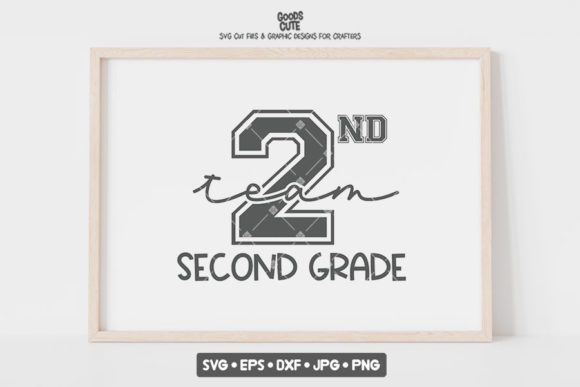
Back to School 2 Second Grade Team SVG – A Practical Asset for Creators and Classrooms
For anyone working with digital cutting machines, print-on-demand services, or custom merchandise, the right vector file can make the difference between a smooth production run and a frustrating afternoon of tweaking settings. The Back to School 2 Second Grade Team SVG package is one of those assets that, at first glance, seems like a simple themed design. But when you examine the file set, the format options, and the real-world uses, it becomes clear this is a versatile tool that fits into a variety of creative and commercial workflows.
This article walks through what the Back to School 2 Second Grade Team SVG package actually contains, how it integrates into practical processes before, during, and after a project, and how different professionals can use it to save time, maintain consistency, and expand their product offerings. Whether you run a small craft business, teach second grade, manage a school team, or create content for clients, understanding this file set will help you work more efficiently.
What Comes in the Back to School 2 Second Grade Team SVG Package
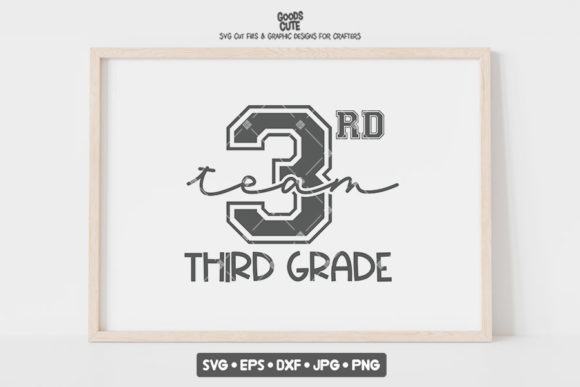
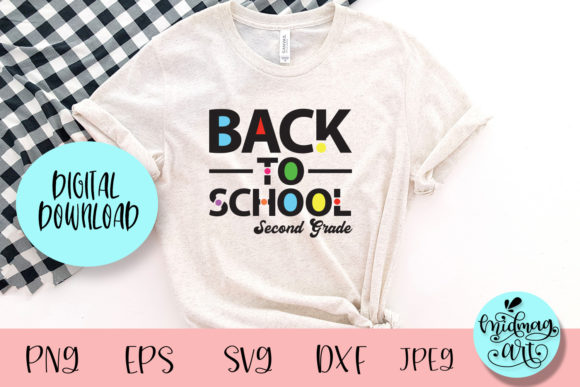
The package is delivered as a single ZIP file containing five distinct file formats: SVG, EPS, DXF, JPG (300 DPI), and PNG (300 DPI). Each format serves a specific purpose in the production pipeline.
- SVG (Scalable Vector Graphics): The primary format for most cutting machine software like Cricut Design Space and Silhouette Studio. It preserves paths and layers, making it ideal for vinyl cut projects, including car decals, window clings, and iron-on transfers.
- EPS (Encapsulated PostScript): A professional vector format widely used in Adobe Illustrator, CorelDRAW, and other design applications. EPS files retain editing capability and are often preferred by designers who need to adjust colors, resize, or combine elements before output.
- DXF (Drawing Exchange Format): Commonly used for laser cutters, engravers, and some older cutting machine software. DXF files are also useful for architectural or engineering-style cutting, though they work perfectly for craft cutters.
- JPG (300 DPI): A high-resolution raster image suitable for print applications where vector editing isn't required. The 300 DPI resolution ensures crisp results on paper, cardstock, or fabric when printed at standard sizes.
- PNG (300 DPI): A raster format with a transparent background. This is the go-to file for sublimation printing, print-and-cut workflows, and digital mockups. The transparency allows the design to overlay onto mugs, shirts, or backgrounds without white edges.
The files are optimized as cut files for vinyl car decals, but the package explicitly notes they can also be used as print-and-cut files. This dual-purpose nature is what makes the set valuable across multiple project types.
Where the Back to School 2 Second Grade Team SVG Fits Into Your Workflow
Understanding how this file set functions at different stages of a project helps you plan your time and resources effectively.
Before the Project: Planning and Preparation
When you are preparing to create a batch of team shirts, classroom labels, or promotional decals, the first step is always file selection. The Back to School 2 Second Grade Team SVG gives you a ready-to-use design that requires no vector tracing, cleanup, or color separation. This eliminates the upfront time usually spent on creating original artwork or adapting low-resolution images.
For a small business owner planning a back-to-school product line, this means you can move directly from concept to test cut in minutes. The ZIP file structure also helps with organization—you can store the entire set in a project folder, then pull the appropriate format depending on your machine and material.
Before production begins, decide which format you need. If you are cutting vinyl on a Cricut Maker 3, the SVG file will be your primary choice. If you are sending the design to a laser engraver for wooden keychains, the DXF may be more suitable. The presence of all five formats means you do not need to convert files yourself, avoiding potential errors from format conversion software.
During the Project: Integration with Tools and Machines
Once you open the SVG in your design software, the actual production workflow depends on your output method.
- Vinyl cutting: Import the SVG into your cutting software, adjust size to fit your decal dimensions, and set your machine to the appropriate material preset. The paths are optimized, so you should see clean cuts without jagged edges or excess nodes. Use weed lines thoughtfully—the design is team-focused, so consider whether you want the full composite shape or individual elements separated for layered vinyl.
- Sublimation printing: Open the PNG file (or the SVG if you prefer to edit) and place it into your sublimation design template. Because the PNG has a transparent background, you can drop it onto a mug, coasters, or a polyester shirt without additional masking. The 300 DPI resolution ensures that the printed image does not appear pixelated at typical mug and shirt sizes.
- Print-and-cut: If your machine supports print-then-cut (like the Cricut Maker or Silhouette Cameo), use the PNG or JPG file for the printed portion and the SVG for the cut outline. The optimized paths allow the machine to register and cut accurately around the design.
During production, one useful observation is that the design's simplicity works in your favor. It is not overly intricate, which means less weeding time for vinyl projects and less risk of ink bleeding in sublimation. This consistency across different methods makes the file set suitable for bulk production.
After the Project: Quality Control and Long-Term Use
After your first test piece, evaluate the output. Check that the vinyl cut edges are smooth and that the sublimation transfer did not leave halos or ghosting. Because the file is optimized, most issues will come from material or machine settings rather than the file itself.
For long-term use, store each file format in a labeled folder. The Back to School 2 Second Grade Team SVG design is seasonal, but many creators reuse it year after year for second grade events, spirit weeks, or team reunions. Having the original ZIP file intact ensures you can access any format later without needing internet access or re-downloading.
Additionally, if you sell physical products, the consistent quality of the design means you can list it with confidence. Customers receiving a car decal or a mug from your store will see clean lines and proper scaling, which builds trust in your brand.
For Small Business Owners and Entrepreneurs
If you run a craft business that produces custom decals, apparel, or gifts, the Back to School 2 Second Grade Team SVG can become a staple item in your back-to-school collection. Because it comes as a ZIP with multiple formats, you can offer the same design across different product types—a car decal, a mug, a tote bag, and a t-shirt—without reworking the artwork.
To maximize efficiency, create a template in your design software that includes the design at the sizes you most frequently sell. For example, set up a 4-inch decal version, a 6-inch shirt version, and a 3-inch tag version. When an order comes in, simply open the appropriate template and send it to your machine. This reduces file handling errors and speeds up turnaround time.
Also, consider offering both cut vinyl and sublimated versions of the same design. The file set supports both, so you can cover more customer preferences with zero additional design work.
For Educators and School Staff
Second grade teachers, PTA members, and school administrators can use this file to create classroom materials, team shirts, and spirit gear. Because the design is ready to cut, you do not need technical design skills.
Practical uses include:
- Name tags or desk labels printed on adhesive vinyl
- Team shirts for field day or class competitions
- Window decals for the classroom door
- Reward stickers printed on sticker paper using the print-and-cut method
- Mugs for teacher gifts or grade-level team appreciation
For educators working with a limited budget, the ability to print the design onto sublimation paper or regular sticker paper means you can produce small batches without investing in expensive materials upfront.
For Freelancers and Designers
If you take on client projects that require school-related graphics, the Back to School 2 Second Grade Team SVG can serve as a base element. Open the EPS in Illustrator to adjust colors, change text (if editable), or combine it with other elements. The vector formats (SVG, EPS, DXF) allow full scalability, so you can resize the design for a full banner or a small keychain without quality loss.
One workflow tip: keep a local library of themed SVG packages like this one. When a client requests a "second grade team" design, you can either use the file as-is or modify it quickly, presenting a professional result in less time. This efficiency can help you take on more projects or reduce your hourly cost to the client.
For Hobbyists and DIY Creators
Casual crafters benefit most from the convenience of a pre-optimized file set. If you are new to cutting machines or sublimation, using a file that is known to work well reduces the learning curve. You can focus on learning your machine's settings and material handling instead of troubleshooting a flawed design.
A simple project sequence might look like this:
- Download and extract the ZIP file.
- Open the SVG in Cricut Design Space.
- Resize to 5 inches wide.
- Cut white vinyl on standard grip mat.
- Weed and apply transfer tape.
- Apply to a water bottle or laptop.
For a sublimation project:
- Open the PNG in design software.
- Mirror the image.
- Print onto sublimation paper.
- Heat press onto a polyester mug for 60 seconds at 400°F.
Having both workflows available from the same ZIP file means you can experiment with different mediums without buying separate designs.
Preparation, Compatibility, and Organization
Before diving into production, check your software compatibility. The SVG file works in Cricut Design Space, Silhouette Studio (Business Edition), Inkscape, Adobe Illustrator, and most vector programs. The EPS is best suited for Adobe Suite or CorelDRAW. The DXF is useful for laser cutters and some older software versions. The JPG and PNG are universal and can be opened on any device.
Organize your files by project or by season. For example, create a folder named "Back to School 2025" and include subfolders for SVG, EPS, DXF, raster, and final products. When you need to reorder your stock or fulfill a custom request, you will find the correct file quickly.
Also, consider backing up the ZIP file to cloud storage or an external drive. Digital assets are easy to misplace, and re-downloading may not always be possible if the original source becomes unavailable.
Quality Control and Long-Term Value
To maintain consistent output, test each file format once before committing to a large batch. Cut a small vinyl decal using the SVG, print a mug sublimation using the PNG, and run a test print-and-cut with the transparent PNG. Note any adjustments needed for your specific machine and material combination. Once you have a calibrated setup, document the settings so you can repeat the process later.
The Back to School 2 Second Grade Team SVG design is not just a seasonal item. Many schools run second grade events throughout the year—field trips, science fairs, end-of-year celebrations. Having a clean, optimized vector file means you can produce materials on demand without last-minute design work. This long-term utility is where the file set delivers its real value, especially when you consider the time saved across multiple projects.
Additionally, if you sell products online, the design's appeal to second grade teams, parents, and teachers gives it a clear target audience. Using consistent, high-quality files across your product range helps build a recognizable brand presence in a niche market.
Final Observations on Using This SVG Package
The Back to School 2 Second Grade Team SVG package exemplifies how a well-prepared file set can streamline creative production. By offering five formats in one ZIP, it removes the typical friction points—conversion errors, missing transparency, low resolution, and incompatible file types. Whether your workflow involves cutting vinyl on a home machine, printing sublimation items in a small studio, or delivering design assets to a client, this package fits naturally.
The real strength lies in its versatility. One design becomes the foundation for a car decal, a mug, a shirt, a sticker, a window cling, and a classroom poster. Each format is optimized for its intended use, so you spend less time troubleshooting and more time producing.
For anyone who creates, sells, or uses school-themed graphics, integrating this file set into your process is straightforward. Plan your projects around the file formats you need, test your machine settings once, and then reuse the design as often as necessary. That combination of prep work and repeatability is what makes a good SVG package an excellent investment of time and money.