Back to School Bunny Scissor SVG: Integrating a Versatile Digital Graphic into Your Workflow
A well-prepared digital asset does more than save time—it enables smoother execution across multiple projects. The Back to School Bunny Scissor SVG is one such asset: a sublimation-ready illustration graphic that works equally well for classroom materials, print-on-demand products, seasonal marketing, and personal crafting. Available in AI, EPS, SVG, JPG, and PNG formats, this design can be edited, resized, and repurposed without losing quality. Understanding how to integrate it into your creative or business process ensures you get consistent, professional results with minimal friction.
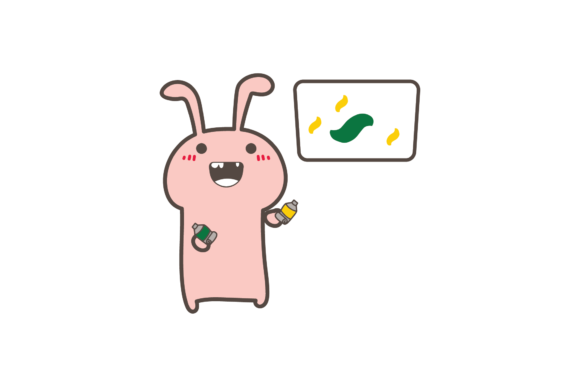
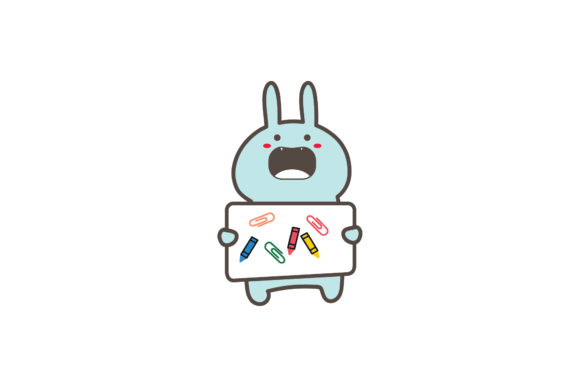
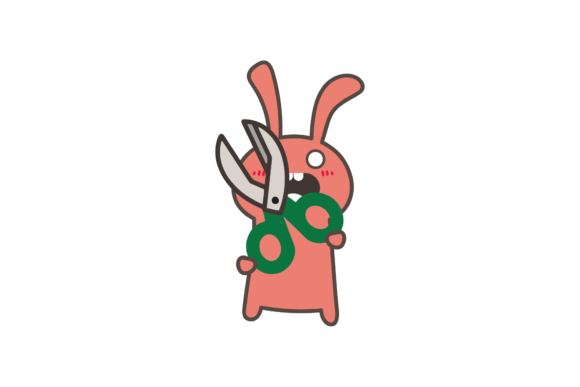
The core value lies in the file structure. The vector formats (AI, EPS, SVG) preserve crisp lines and allow you to manipulate individual layers, colors, and shapes. The raster formats (JPG, PNG) provide immediate use for mockups, social media posts, or quick printing. Because the design is built around a bunny-themed scissor graphic—part of the broader “back to school” visual language—it naturally connects products like stickers, T‑shirts, tote bags, classroom decor, and greeting cards to that seasonal moment. Instead of starting from scratch, you drop the graphic into your workflow at whatever stage fits your current project.
Matching File Formats to Your Process Stage
Choosing the right format at the right point can make the difference between a quick edit and an unnecessary conversion round. Here is how the five provided file types fit into typical stages of a project:
- SVG – Ideal for cutting machines (Cricut, Silhouette) and web graphics where scalability and transparent backgrounds matter. Use it when you need to keep the path data intact for vinyl cutting or heat transfer.
- AI – The native Adobe Illustrator format gives you full access to layers, gradients, and effects. This is your master file if you plan to produce multiple variations (different colors, custom text, sized outputs).
- EPS – A vector fallback that works across many older or cross‑platform design tools (CorelDRAW, Affinity Designer, even some office suites). Keep it in your archive for collaborators who do not have the latest software.
- JPG – Best for quick previews, proofing, or web usage where file size matters. Because it is a lossy format, use it only after you have finalized the design, never during editing.
- PNG – Retains transparency and offers better quality than JPG. Use it for layering in design composites, for mockups, or for printing when you need a raster file with a clean edge around the bunny scissor motif.
A practical habit: keep the SVG or AI as your working file, export PNG for client previews, and use EPS only if a collaborator requests it. JPG can be reserved for thumbnails and listing images on e‑commerce platforms. This way, you reduce the number of times you need to open and re‑save the same design.
Where the Bunny Scissor Graphic Fits in a Project Timeline
The design is not limited to a single “use now” moment. It can be introduced at several points, depending on your role and goal:
Before Production: Preparation and Planning
If you are a small business owner preparing a seasonal product line, the Back to School Bunny Scissor SVG can serve as the visual anchor for your collection. Open the AI file, adjust the colors to match your brand palette, and then use that master file to generate all derivative assets—heat transfer designs, sublimation prints, fabric labels, and social media tiles. Because the graphic is built on vectors, you can scale the bunny and scissor elements independently to fit different product sizes without redrawing anything.
For educators, the preparation stage might involve duplicating the design across multiple classroom materials: name tags, door decorations, reward stickers, or bulletin board headers. Using the SVG version in your preferred cutting machine software, you can easily resize the graphic to 2 inches for stickers and 12 inches for wall decals. The unity of the visual theme creates a cohesive classroom environment while saving prep time.
During the Project: Customization and Integration
This is where the editable nature of the design becomes critical. Because the bunny scissor illustration comes as a layered vector file, you can isolate the bunny, the scissors, or any background shapes. For example, you might want to create a monochrome version for a screen‑printed shirt while keeping a full‑color version for a sublimated mug. The AI and SVG formats allow you to toggle visibility, change hues, or even combine the bunny scissor graphic with other elements like school books or apples without losing detail.
If your workflow relies on raster editing software like Photoshop or Procreate, import the PNG with transparency. You can apply filters, texture overlays, or composite it into a larger scene. The key is to start with a format that preserves the highest quality at the intended resolution—for most on‑screen work, PNG at 300 DPI is sufficient; for sublimation printing, keep the source SVG or AI and export to a high‑resolution PNG (300–600 DPI) right before print.
After the Project: Asset Reusability and Archiving
One often overlooked advantage of a well‑structured digital product is long‑term reusability. Once you have edited the Back to School Bunny Scissor graphic for one project, save a copy of the modified vector file along with the original. This gives you a starting point for next year’s back‑to‑school season. You can swap out colors, rotate the bunny, or add a new school theme element. Over time, you build a library of seasonal graphics that cut your design time down to almost zero.
For archiving, use a consistent file naming convention that includes the year, the motif (bunny_scissor), and the format (ai, svg, png). Keep the editable vector files in one folder and the final exports (JPG, PNG, EPS) in separate subfolders. This organization pays off when you need to reuse the design for a new product or client request.
Practical Implementation: From File to Finished Product
To illustrate how the bunny scissor graphic moves through a real process, consider a typical sublimation workflow:
- Open the vector file – Start with the AI or SVG in your vector editor. Check the layer structure. The bunny and scissor elements are likely separate, so you can adjust the bunny’s color or rotate the scissor handle independently.
- Customize for the substrate – Sublimation works best with bright, vibrant colors on a white or light polyester base. Adjust the graphic’s saturation and contrast if needed. Some versions of the design include a background shape; you might remove it or change it to a light tone so that it blends with the fabric.
- Mirror the design – Sublimation requires a mirrored image. Use your software’s mirror function. Because the original graphic is vector, the mirror operation will be exact and non‑destructive.
- Export at the right resolution – For a standard sublimation transfer (8.5×11 inch paper), export a PNG at 300 DPI. If the design contains fine lines (like scissor blades or bunny whiskers), consider exporting at 600 DPI to preserve clarity.
- Print and press – Use a dedicated sublimation printer and paper. The PNG with transparent background ensures that only the bunny scissor area receives the ink, and the rest of the paper remains clear. After heat pressing, the graphic should bond cleanly.
- Final quality check – Compare the pressed result to the original vector file. Because you controlled every step from the editable master, any color shift or detail loss can be traced back to the printer or press settings, not to the graphic itself.
This same workflow can be adapted for other outputs: sticker sheets (use SVG for the cutting machine), screen‑printed transfers (separate spot colors in the AI file), or digital downloads (export JPG or PNG for instant download). The core principle remains—start with the most flexible format, then deliver in the format that matches the production method.
Compatibility Considerations Across Tools and Platforms
The design’s value increases when it fits into the ecosystem you already use. The SVG file works directly in Cricut Design Space, Silhouette Studio, Inkscape, and most modern web graphics tools. The AI file is compatible with Adobe Illustrator (any version back to CS6), and EPS opens in CorelDRAW, Affinity Designer, and even some presentation software if you embed it as a picture. The PNG and JPG formats run on any device—phones, tablets, Chromebooks—making them accessible for quick edits or sharing with non‑designer team members.
A common integration point is the combination of vector and raster editing. For instance, you might create a layered poster in Illustrator (using AI and SVG), then bring the exported PNG into Canva or a slide deck for a classroom handout. Because the bunny scissor motif is a closed vector silhouette, it also works well as a live trace source if you need to regenerate paths in a different software. Keeping the original SVG or AI gives you the ability to re‑export at any resolution without artifact buildup.
Quality Control and Long‑Term Consistency
When you reuse a graphic over multiple seasons or products, maintaining consistency becomes a practical concern. The Back to School Bunny Scissor SVG product avoids typical quality pitfalls in several ways:
- The vector paths are clean and closed, so cutting machines will follow the intended outline without extra nodes.
- The color palette is well‑defined, which helps if you need to create a style guide for a brand.
- The illustration is sized at 1920×1280 pixels in its raster formats, matching a standard canvas dimension for mockups and social media graphics. This saves you from having to manually resize for first‑use scenarios.
To maintain consistency over time, create a master template file (AI or SVG) where you store the bunny scissor element along with any common variations you use. For example, you could have a “back to school” section in your digital asset manager with sub‑folders for each year. When you edit the design in 2025, save it as bunny_scissor_2025.ai and keep the original bunny_scissor_base.ai unmodified. This system prevents version confusion and ensures you can always fall back to the original if a later edit drifts too far.
Use Cases Across Different Audiences
The bunny scissor design is not just for one group. Mapping it to various roles shows how it can be integrated into different daily workflows:
- Teachers and educators – Use the PNG or SVG to create classroom labels, themed worksheets, and bulletin board cutouts. The bunny with scissors can serve as a visual cue for craft activities or literacy centers.
- Small business owners (Etsy, print‑on‑demand) – List products like stickers, mugs, hats, and T‑shirts featuring the graphic. Because you own the digital file (no redistribution rights assumed from this description, but typical commercial licenses apply), you can produce unlimited items for sale.
- Freelance graphic designers – Use the AI file as a starting point for a client’s back‑to‑school campaign. Edit the bunny’s expression or add typography. The vector layers are clear enough to allow non‑destructive modifications.
- Hobbyists and scrapbookers – The SVG works with personal cutting machines for card making, planner inserts, and party decorations. The design is detailed but not overly complex, so it cuts reliably even on smaller machines.
- Marketers and bloggers – Drop the JPG or PNG into social media posts, email headers, or blog graphics for seasonal content. The 1920×1280 canvas size is well‑suited for Facebook post previews and YouTube thumbnails.
In every case, the same design adapts because the formats match the output medium. The key is to identify where in your specific process you need the editable vector versus the ready‑to‑use raster.
Final Observations on Process Integration
Treating the Back to School Bunny Scissor SVG as part of a larger toolkit—rather than a single‑use clipart—changes how you approach seasonal projects. By preparing the file correctly at the outset, you reduce rework, maintain visual unity across product lines, and keep your digital archive organized for future use. The five‑format delivery ensures no matter what software or machine you rely on, the design opens, edits, and exports as intended.
Integration is not about learning a new tool; it is about fitting this graphic into the steps you already follow. Whether you need a cut path for vinyl, a layered file for sublimation, or a simple PNG for a quick sale, the bunny scissor design provides all the necessary starting points. With a little upfront planning—deciding which format to use for editing, which for proofing, and which for final production—you can move through your project with fewer interruptions and more confidence in the final output.